Why Is My Cat Ignoring the Scratching Post? How to Encourage Them to Use It

"I bought a scratching post, and my cat completely ignores it."
It's a familiar frustration: you bring home a new post, but your cat keeps choosing the sofa. It doesn't necessarily mean you bought the wrong product. Sometimes a different location, a more stable base, or a scratching surface that better suits your cat makes all the difference.
Before trying to teach a new habit, check whether the post gives your cat what they're looking for.
Start with Size, Stability and Scratching Preferences
A scratching post should let your cat stretch comfortably and feel secure while using it. Check these three things first:
- Height and reach. For a vertical post, the usable scratching surface should be tall enough for your cat to stretch fully with their front paws extended. Choose based on your cat's size, rather than the product's overall height alone.
- Stability. The post should stay steady when your cat leans against it and pulls. Check for loose fittings, a rocking base or a slippery floor before encouraging your cat to use it.
- Texture and angle. Some cats prefer sisal; others favor cardboard, carpet or wood. Position matters, too: a cat that scratches rugs may prefer a horizontal scratcher to a vertical post.
Watch how and where your cat already scratches. Those choices can help you find a better match.
Step 1: Put the Scratcher Where Your Cat Already Scratches
A scratcher tucked into an unused corner is easy to overlook. Start somewhere your cat already spends time, such as beside their favorite sofa arm or near a regular sleeping spot.
If your cat scratches a particular piece of furniture, place the scratcher immediately beside that area. For a cat that scratches the floor or a rug, try a flat scratcher close to the same spot.
Keep it easy to reach and leave enough room for your cat to stretch. Once they use it consistently, you can try moving it gradually. If they return to the old target, move it closer again.
Step 2: Invite Your Cat to Explore
Give your cat time to investigate the new scratcher without pressure. You can make it more appealing in a few simple ways:
- Try a small amount of catnip or silvervine if your cat responds to it.
- Move a wand toy along the scratching surface to encourage reaching and play.
- Place the scratcher near a favorite resting spot, where it is available after a nap.
Keep play gentle and let your cat approach voluntarily. If they walk away, try again later rather than repeatedly coaxing them.
Step 3: Reward Scratching Right Away
When your cat scratches the post, immediately offer something they enjoy: a small treat, gentle praise or a brief play session.
Reward consistently while the habit develops. Keep a few treats nearby so you can respond when your cat chooses the scratcher on their own.
Avoid taking your cat's paws and dragging them down the surface. Forced handling can make the experience unpleasant and discourage them from returning.
Step 4: Protect the Furniture While the Habit Develops
Make the old scratching spot less accessible while keeping the new scratcher close by. A securely fitted furniture cover or a suitable scratch guard can help protect the area.
If you use adhesive furniture protection, choose a product intended for that purpose, follow its instructions and test it on an inconspicuous area first.
Continue rewarding use of the scratcher, and avoid shouting or punishment. The aim is to give your cat a satisfying place to scratch while protecting the furniture.
There is no fixed deadline for learning. Wait until your cat uses the scratcher reliably before changing its location, and make any moves gradually.
Step 5: Offer Another Option If Needed
If your cat still ignores the post, try changing one feature at a time:
- Different texture: offer cardboard alongside sisal.
- Different position: try a horizontal or angled scratcher.
- Different location: place it closer to the area your cat already chooses.
- Better stability: tighten the fittings or choose a sturdier design.
You don't need to buy several products at once. Start with the preference your cat is already showing and use that as your guide.
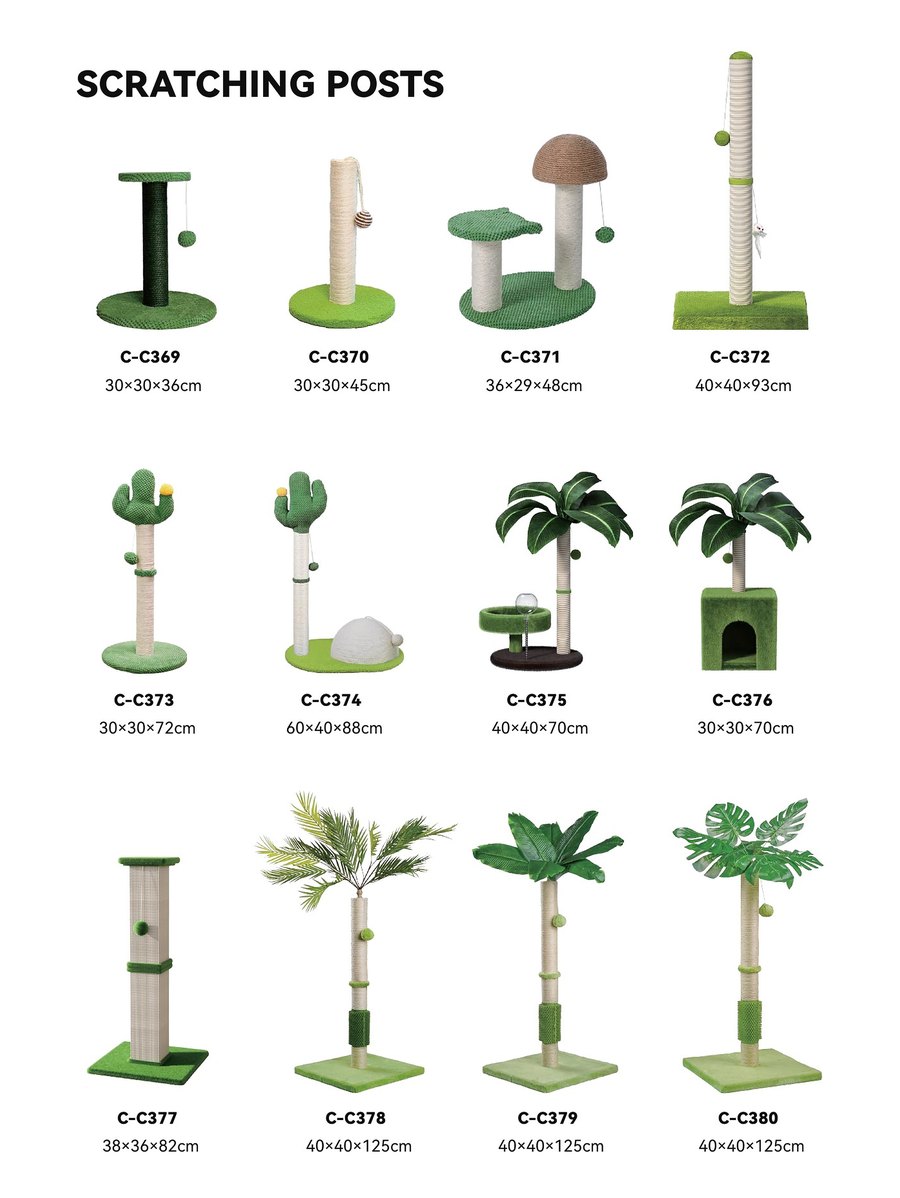
How Many Scratchers Does a Cat Need?
More than one scratching option can be useful, especially when your cat spends time in several rooms. A vertical post near the sofa and a horizontal scratcher near a sleeping area offer different ways to stretch and scratch.
In multi-cat homes, spread scratchers across separate locations so each cat can access one comfortably.
For cats that also enjoy climbing and resting up high, a properly sized cat tree can combine scratching surfaces with perches and beds. Check that its scratching sections are accessible and long enough for your cat to use comfortably.
Explore our scratching collection to compare options for your cat's preferred texture and position. If the sofa remains the main target, our guide to why cats scratch sofas and how to redirect them offers more advice.
Looking for Scratchers for Your Store or Brand?
For retailers and pet brands, scratchers that suit different sizes and scratching preferences give customers more useful choices. Stable construction, accessible scratching surfaces and durable materials are practical details to consider when comparing products.
We manufacture sisal and cardboard scratchers with OEM and ODM support, including custom colors, private-label branding and packaging. Samples are available before bulk orders, and minimum order quantities vary by product and customization requirements.
Need a catalog or a quote?
Share your target market, preferred materials and estimated order quantity — we'll reply with suitable options, pricing and lead times.
View Scratching Collection Email Sweety