Plush vs Interactive Cat Toys: What Cats Actually Prefer
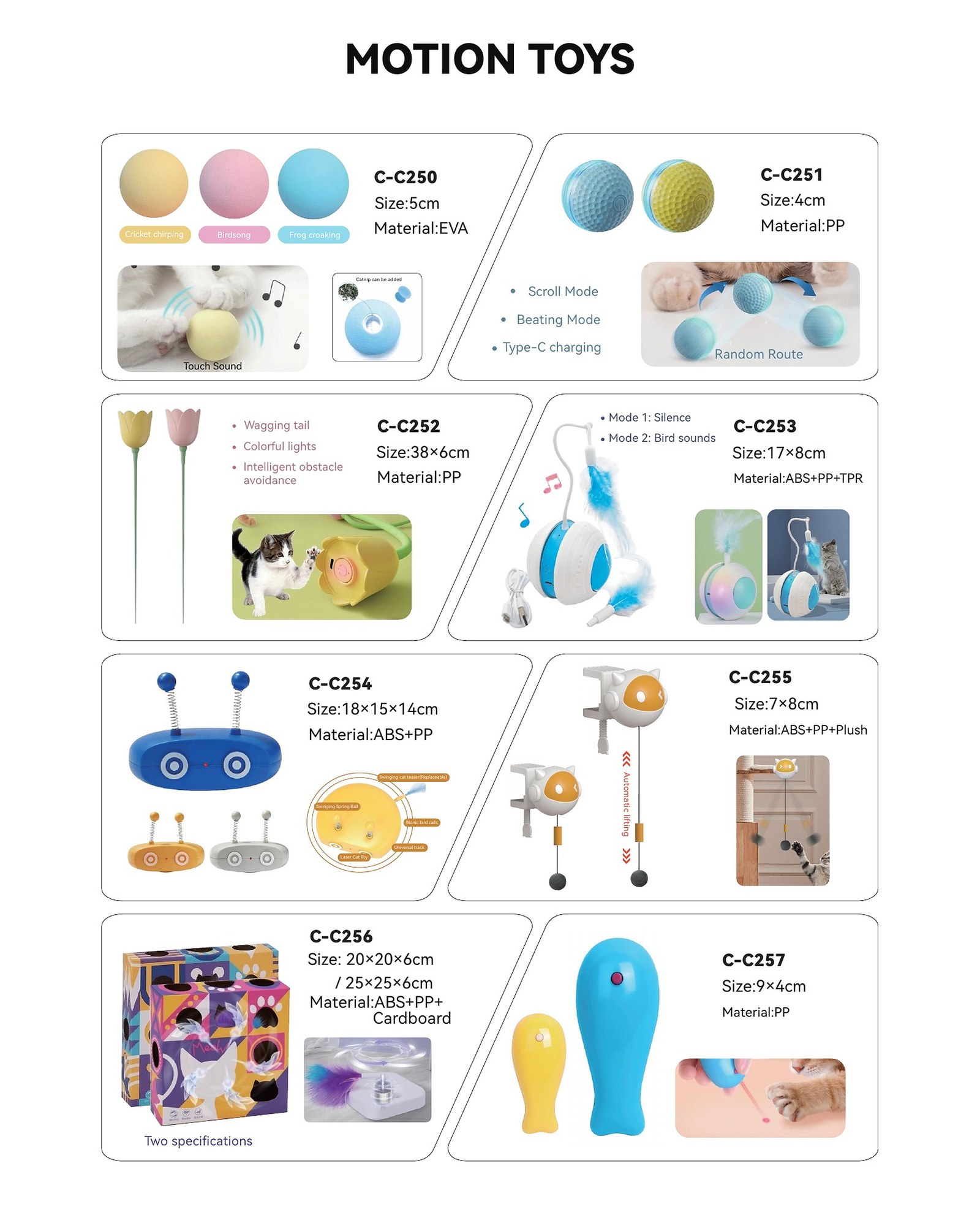
Walk into any pet store and you'll see the cat aisle split into two camps: soft plush toys that cats carry around, and interactive toys — teaser wands, balls with bells, feather chasers — that are designed to be chased. Owners often ask us which kind their cat "should" have. The honest answer is that most cats need both, because they are two different games.
The two styles of cat play
Cat behavior researchers roughly split play into two types. Object play is a cat grabbing, kicking, carrying and "hunting" a toy on their own. Social play is chasing and pouncing with a moving target — which is exactly what a wand or a rolling ball does. Your cat's age, energy level and personality decide how much of each they want.
What plush toys are really for
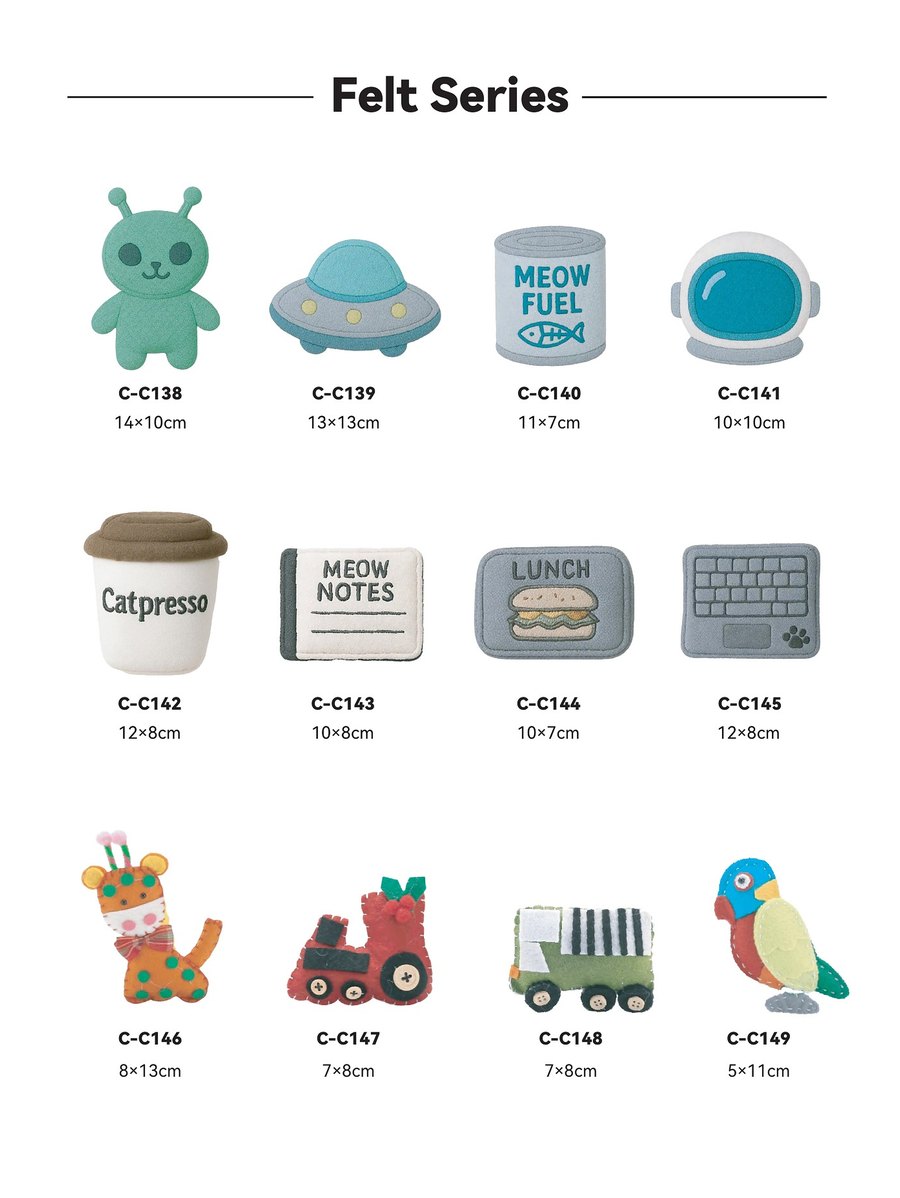
Plush toys fill the role of "prey" a cat has successfully caught. That's why you'll see a cat grab a plush bunny, bunny-kick it with their hind legs, and then carry it proudly across the house. For many cats this is the most satisfying part of the day — it closes the hunting loop that a wand toy starts.
Plush is especially valuable for:
- Kittens practicing their pounce-and-catch sequences.
- Indoor cats who never hunt real prey and need the outlet.
- Cats who like to sleep with a "companion" toy nearby.
Our plush cat toys are filled with dense, pet-safe stuffing and double-stitched seams so they survive kicking sessions without spilling filling all over the floor.
What interactive toys are really for
Interactive toys trigger the chase. A teaser wand moves like prey; a ball with a bell makes the sound of something alive; an electronic toy that moves on its own keeps a bored cat busy when you're away. These toys burn energy — which matters for indoor cats who would otherwise redirect that energy into furniture, curtains or your ankles.
Interactive toys are the best fit for:
- High-energy cats under five years old.
- Kittens learning to hunt (feathers and small moving toys teach coordination).
- Owners who can't always be home to play — a moving toy is the next best thing.
We make balls and teasers & wands across dozens of textures — rattan, sisal, wool, feathers — because different cats hunt with different senses. Some chase with their eyes, some with their ears.
Which one should you buy first?
Watch your cat for a day and you'll see the pattern. If your cat spends energy stalking and leaping, start with an interactive toy and pair it with a plush "capture" toy. If your cat mostly carries things around and grooms, lead with plush.
How to test what your cat actually prefers
Instead of guessing, run a simple two-day trial. Day one, put out only plush toys. Day two, only interactive toys. Track three things: which toy your cat approaches first, which one they still touch after ten minutes, and which one they carry or guard. In most households the pattern is clear by the end of the second day — and in most of those households, the answer is "both, in different moods." Cats use plush toys when they're calm and interactive toys when they're wound up, often switching within the same hour.
Rotate toys to keep them interesting
Cats lose interest in anything left out every day. Keep two or three toys in circulation and swap them every few days — the "new" toy always gets an enthusiastic greeting. And check toys regularly: remove any with loose parts, broken bells, or seams that have opened. A toy with a detached eye or a torn edge should be replaced, not repaired with tape.
Buying in bulk or for your brand?
If you stock toys for a store, brand or shelter, carrying both categories is the pattern that sells — plush for the "adopt me" aisle and interactive for the impulse-purchase rack. We develop new plush and interactive designs every season, all available with OEM and ODM options. See the full catalogue or email us for pricing and MOQs.
Explore the toy range
Plush, balls, teasers and more — 300+ designs, samples available.
View Collections Email Sweety